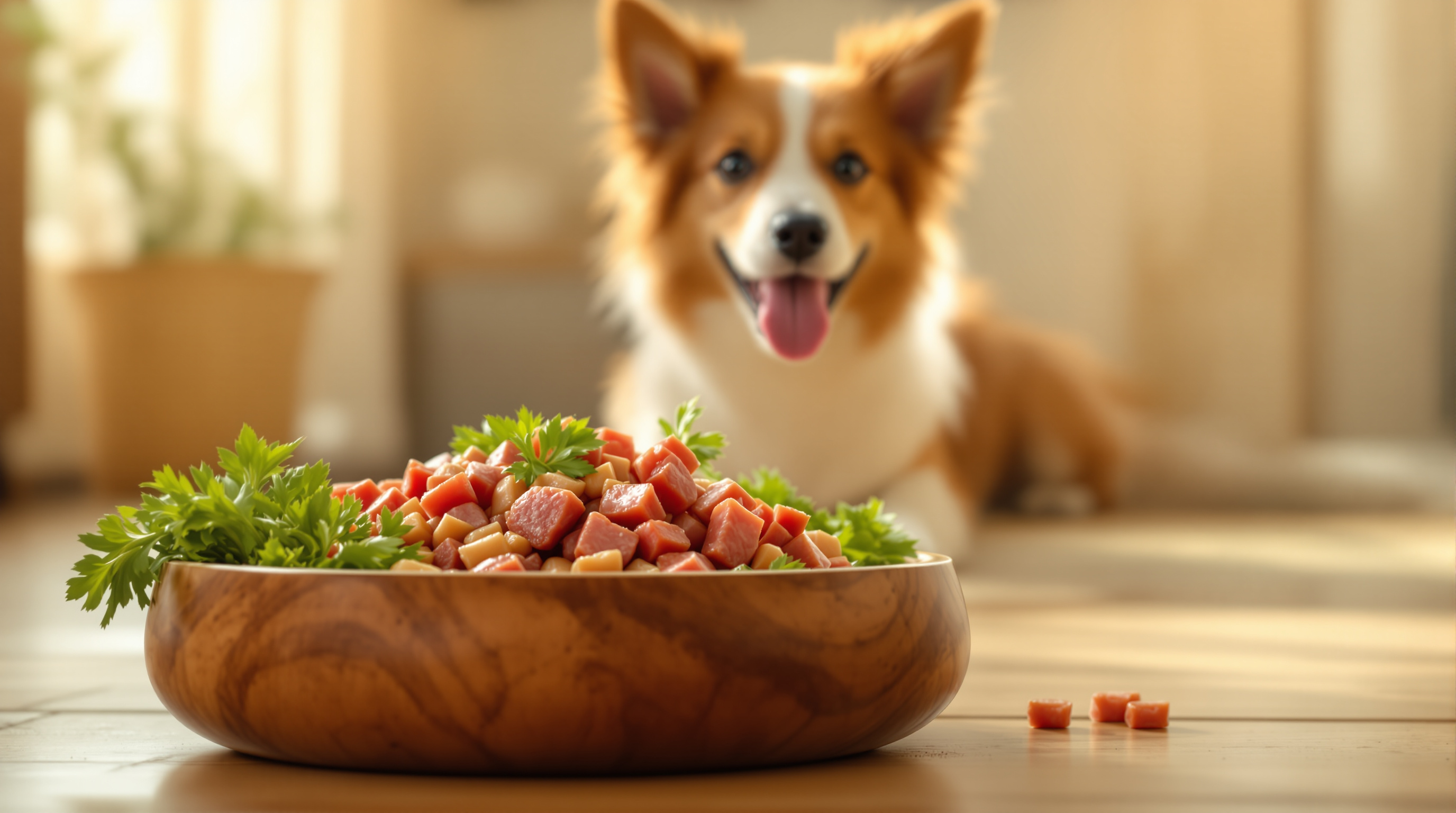
One of the first questions owners ask after a diagnosis is, “Should I change my dog’s food?” Nutrition cannot reverse Cushing’s disease, but the right diet can support your dog alongside medical treatment. Because every dog is different, use the ideas below as a starting point for a conversation with your veterinarian rather than as a fixed prescription.
Why Diet Matters in Cushing's Disease
Excess cortisol affects metabolism in several ways: it can increase appetite, encourage weight gain, raise blood fats and put extra demand on the liver and muscles. A well-chosen diet aims to counter these tendencies — supporting lean muscle, keeping weight in a healthy range, and being gentle on the digestive system.
Quality, Digestible Protein
Because Cushing’s disease can cause muscle wasting and weakness, many veterinarians favor a diet with good-quality, highly digestible protein to help preserve muscle, provided the dog does not have another condition (such as advanced kidney disease) that calls for protein restriction. This is exactly the kind of balance your vet can help you strike based on your dog’s full health picture.
Moderating Fat
Dogs with Cushing’s disease often have elevated blood fats and a higher risk of pancreatitis. For that reason a moderate, controlled fat intake is frequently recommended, and rich, fatty table scraps are best avoided. Sudden high-fat treats are a common trigger for digestive upset in these dogs.
Managing Appetite and Weight
The strong hunger that comes with Cushing’s can make weight control challenging. Measured meals, low-calorie vegetables as treats (such as plain green beans, if your vet approves), and avoiding free-feeding can all help. Keeping your dog at a healthy, lean body condition reduces strain on the joints and organs.
Hydration and Consistency
Because affected dogs drink and urinate more, fresh water must always be available — never restrict water to manage accidents, as that can cause dehydration. Feeding on a consistent schedule also makes it easier to give medications with food and to notice appetite changes, which can be an early clue that a dose needs adjusting.
Work With Your Veterinarian
The safest, most effective diet is one tailored to your individual dog, especially if they have more than one health condition. Your veterinarian — or a board-certified veterinary nutritionist — can recommend a specific food and portion plan. General, science-based nutrition guidance for owners is also available from the American Veterinary Medical Association and the Merck Veterinary Manual. See also our notes on natural and holistic support.